

The psychology of risk Why we chase thrill in casino games
The Allure of Uncertainty
The thrill of casino games often lies in their inherent uncertainty. Players are drawn to the unpredictability of the outcomes, which triggers a complex interplay of emotions such as excitement and anxiety. This blend of feelings can produce a euphoric state, akin to an adrenaline rush. In many cases, the idea of winning big fosters a unique kind of hope that compels individuals to embrace the risks involved. Many people enjoy exploring real poker online as a way to experience this excitement further.
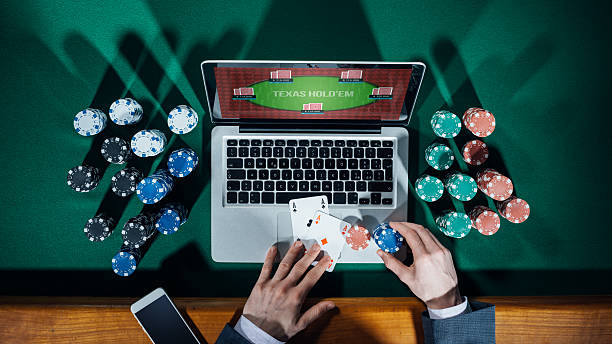
Furthermore, the uncertainty in casino games feeds into our natural instincts to take risks. Psychologists have studied this phenomenon, revealing that the brain’s reward system lights up when we anticipate a potential win. This biological response further explains why people are so willing to engage with the unpredictability of gambling, as it offers both a potential reward and a thrilling experience.
The Role of Cognitive Bias
Cognitive biases significantly influence how players perceive risk in casino games. One such bias is the illusion of control, where players believe they can influence outcomes through their actions. For example, players might think that strategic betting or choosing specific machines will increase their chances of winning. This belief can make the experience feel more engaging and less risky, even though the odds remain unchanged.
Additionally, the gambler’s fallacy plays a role in shaping decisions. This cognitive bias leads individuals to believe that past events will influence future outcomes. As a result, a player might continue to gamble after a series of losses, convinced that a win is “due.” Such biases not only enhance the thrill of the game but also keep players invested despite potential losses.
The Social Dynamics of Gambling
Casino environments are often designed to encourage social interaction, which can heighten the excitement of gaming. Playing alongside others can amplify the emotional experience, making wins feel more significant and losses less impactful. The camaraderie found in these settings fosters a shared thrill, creating a sense of belonging among players.
Moreover, social dynamics can act as a motivating factor in risk-taking behavior. Players may feel pressured to continue gambling to maintain a positive group atmosphere or to impress peers. This collective energy can transform a simple game into a shared adventure, blurring the lines between individual risk and communal enjoyment.
The Psychological Benefits of Thrill-Seeking
Engaging in high-risk activities, such as gambling, can provide psychological benefits. Thrill-seeking behaviors are often linked to increased self-esteem and personal growth. Players may find that overcoming the challenges and uncertainties of casino games contributes to a sense of achievement, regardless of the outcome.
Additionally, many people use casino games as a form of escapism. The thrill of risk allows individuals to step outside their daily routines and embrace a temporary escape. This psychological reprieve can be refreshing and rejuvenating, making the gambling experience both thrilling and liberating.

Exploring More about Casino Psychology
Understanding the psychology behind risk-taking in casino games opens a window into why so many are drawn to these thrilling environments. Each element—from the allure of uncertainty to social dynamics—contributes to an intricate web of motivations that drive individuals to seek out casino experiences.
For those looking to delve deeper into the fascinating world of gambling psychology, there are many resources available. Whether it’s through articles, research studies, or dedicated websites, the exploration of this subject can provide valuable insights into our human nature and the thrill of the chase in casino gaming.